
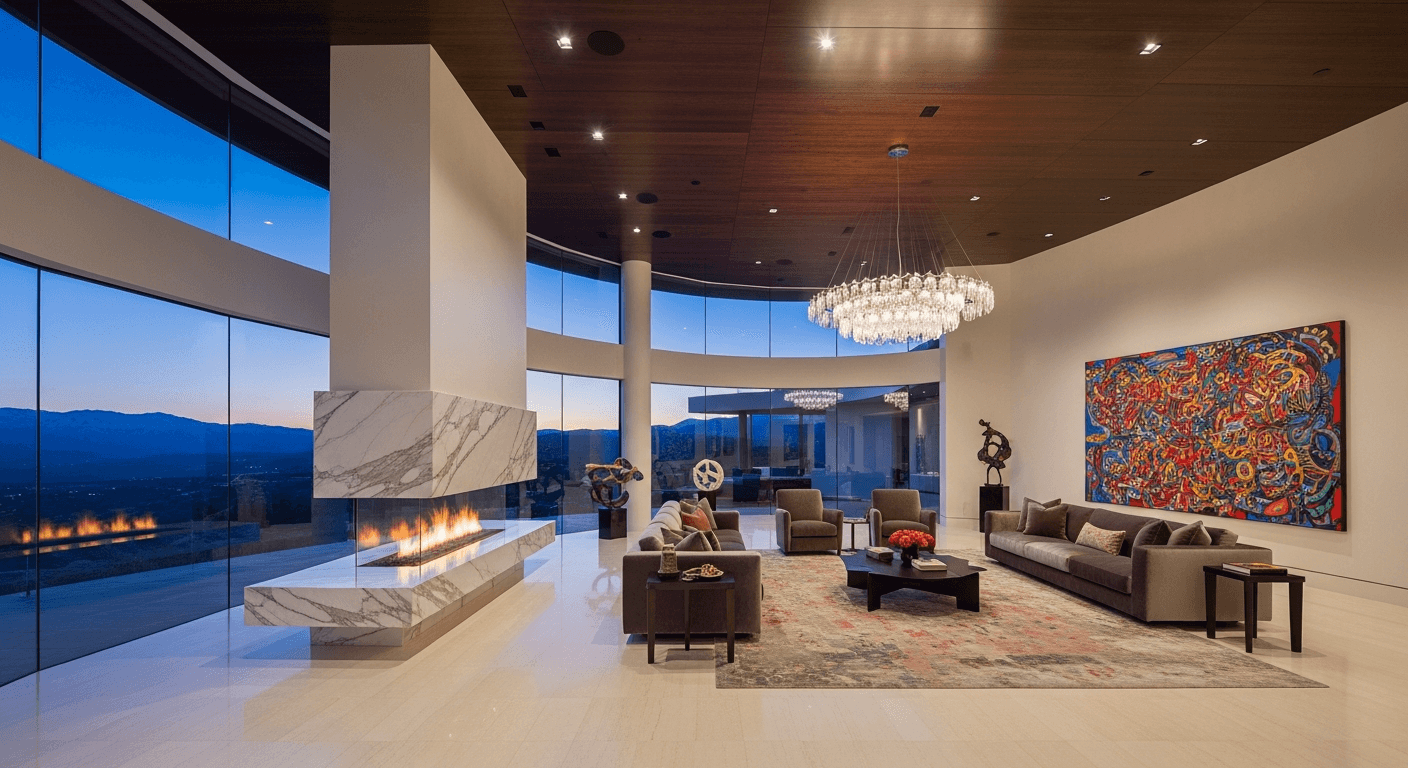
In the competitive world of real estate, the right imagery can make or break a listing. Whether you're dealing with luxury properties or standard homes, understanding the nuances of Luxury vs Standard Real Estate Imagery is crucial for real estate agents, private sellers, and developers. This article dives deep into how visual language differs between these categories, offering insights on boosting ROI, optimizing CTR, and reducing time on market.
Understanding the Core Differences in Real Estate Imagery
Luxury real estate imagery often employs high-end, aspirational visuals like wide-angle shots of opulent interiors, emphasizing exclusivity and lifestyle. According to a NAR Home Staging Report, this approach can increase ROI by up to 20% through higher sale prices. In contrast, standard properties benefit from practical, relatable imagery focusing on functionality and warmth, reducing time on market by an average of 15-30 days compared to unstyled listings, as per Zillow's study
On the other hand, straightforward imagery for standard homes improves lead quality by attracting serious buyers interested in value, leading to fewer but more qualified inquiries, according to Staged Homes guide
Virtual staging for luxury properties uses advanced 3D renders to showcase potential, potentially increasing offers by 10-15% and shortening market time. Insights from Forbes article highlight this ROI.
Incorporating AI in Real Estate Videos (Virtual Staging and More!)
Watch the video above for a deep dive into virtual staging differences.
Virtual Staging for Standard Properties
Sell faster with better listing photos
Virtual staging helps buyers visualize the space. Try HomestagingKI free: 2 images included.
For standard properties, virtual staging focuses on cost-effective enhancements, yielding a ROI of 200-300% by making spaces appear lived-in and inviting, as noted in RE/MAX guide
Impact on Key Metrics: ROI, CTR, and Time on Market
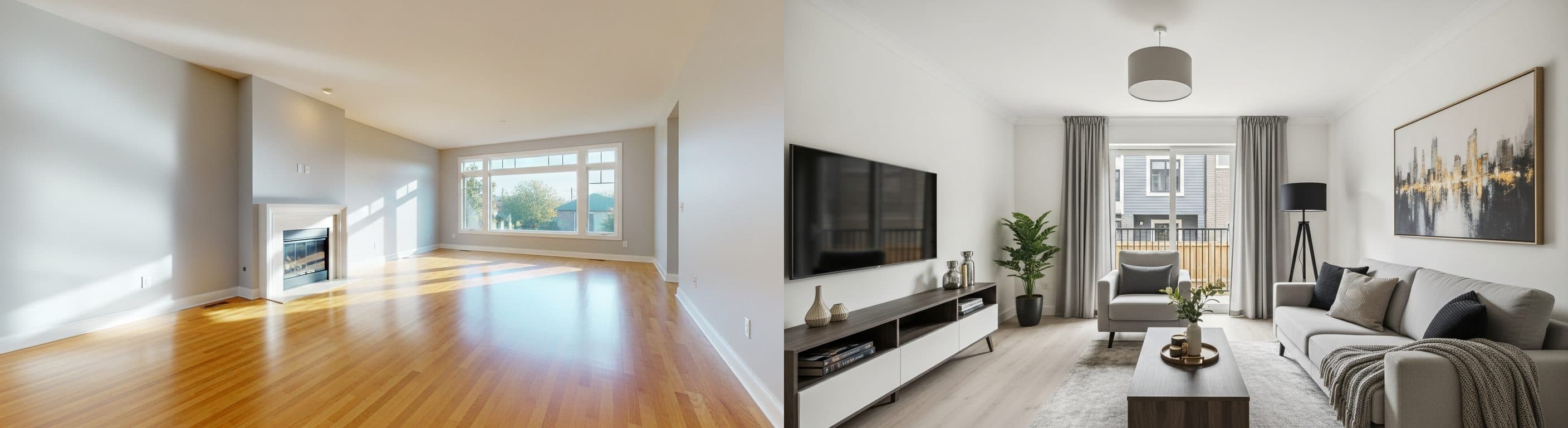
Studies show that luxury imagery with dramatic lighting and staging can elevate perceived value, resulting in 25% higher listing views and better lead conversion. A Redfin study supports this.
Standard imagery emphasizing cleanliness and space efficiency can reduce time on market by appealing to first-time buyers, improving overall sales velocity, per NAR study
Comparing the two, luxury visuals prioritize emotion and prestige, while standard ones focus on practicality, directly impacting CTR and lead quality metrics. Agents using tailored strategies optimize marketing budgets, as reported in Staging ROI Report
Luxury visuals often incorporate storytelling elements like scenic views or amenities, whereas standard focuses on practical features like storage. Luxury Portfolio article explores this.
- Emphasize exclusivity in luxury shots
- Use wide-angle for grandeur
- Focus on functionality in standard visuals
- Highlight warmth and relatability
Properties with high-quality imagery sell 20-30% faster, per Statista study
Luxury Property Photography Tips
Try HomestagingKI for free
Upload a room photo and get a staged version in minutes. No furniture logistics, no waiting.
For luxury properties, imagery should emphasize exclusivity, high-end materials, and lifestyle aspirations, using wide-angle shots and professional lighting to highlight grandeur. Tips from Virtuance guide
Standard properties benefit from clean, relatable imagery that focuses on functionality and warmth, avoiding overly staged looks to appeal to everyday buyers. Use DIY apps under $100, as suggested in BoxBrownie guide
This video compares luxury vs standard property photos.
Checklist for Real Estate Photos
- Declutter spaces
- Use natural light
- Invest in high-resolution photos
- Consider virtual staging for empty rooms
Quick wins include simple edits like color correction and adding virtual furniture to boost appeal without high costs, per RE/MAX article
Common Objections in Property Imagery
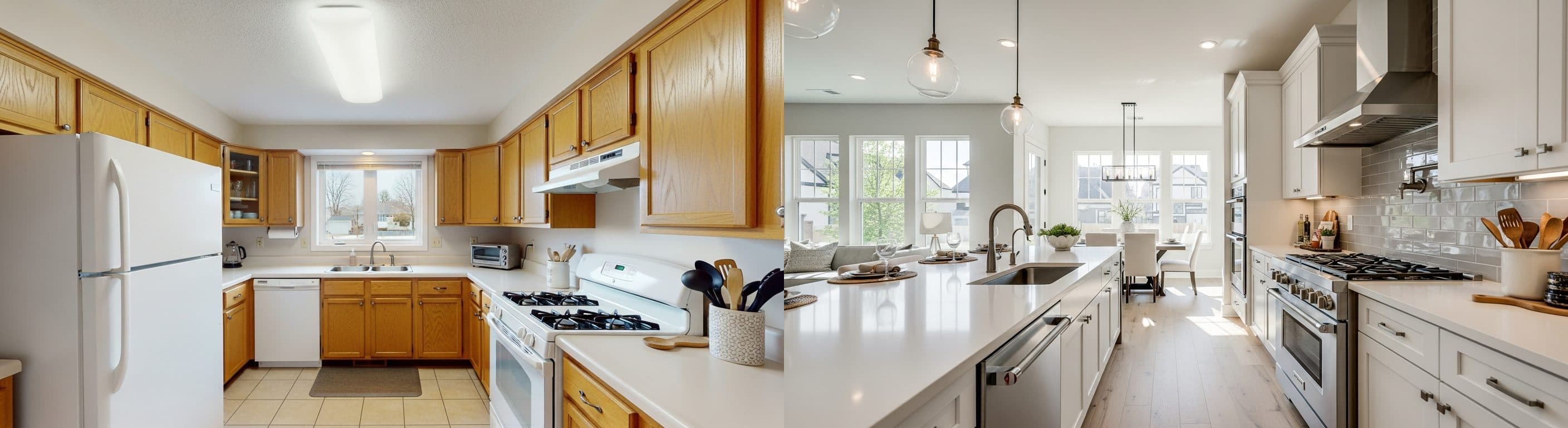
Before & After that gets clicks
Photorealistic virtual staging for agents and private sellers—optimized for portals and social ads.
Sellers worry about costs, but virtual staging offers affordable alternatives; privacy concerns can be addressed with blurred personal items. Address these with insights from NYT article
Home Staging Standardization and Brand Consistency
For developers, standardizing virtual staging ensures brand consistency across listings. Tools like those from Staging Software help maintain this.
Scaling staging imagery for large developments requires speed in real estate visualization. Entrepreneur article discusses growth strategies.
- Use templates for consistency
- Implement fast online tools
- Focus on property development visual strategies
Speed in Real Estate Visualization
Need better photos for your listing?
Convert empty rooms into warm, modern interiors. Increase engagement and reduce time on market.
Quick visualization techniques can reduce time to market. Guides like Inman guide offer tips for efficiency.
Incorporating AI in Real Estate Videos (Virtual Staging and More!)
Learn speed techniques in the embedded video.
Property Development Visual Strategies
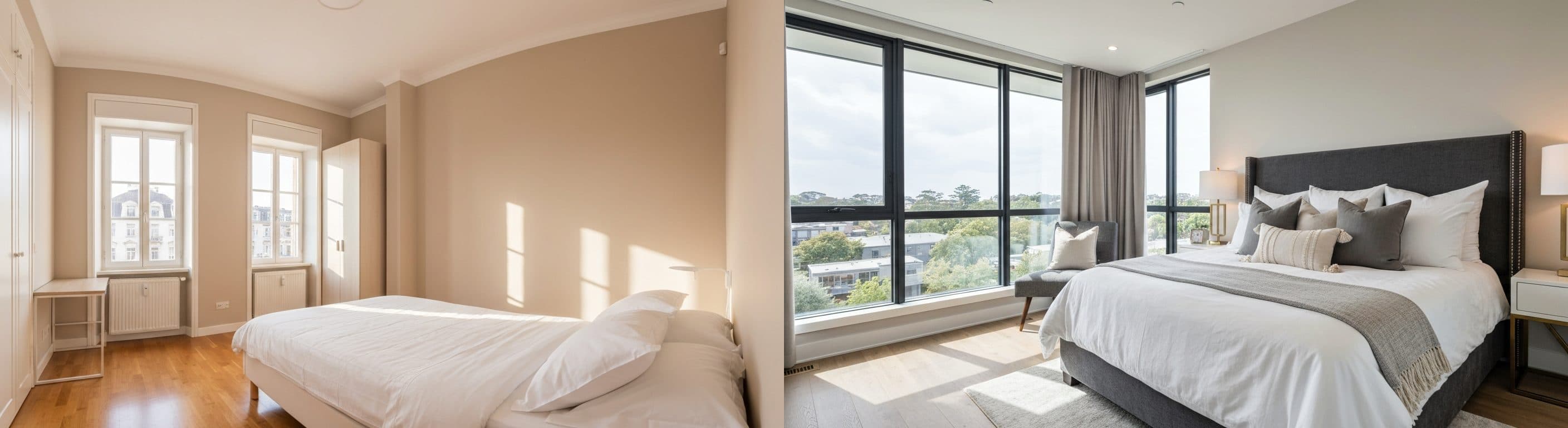
Developers should tailor visuals to property type for optimal results. Bloomberg news covers strategies for luxury.
For standard developments, focus on budget-friendly visuals to scale effectively, as per Marketing Dive article
The Impact of Imagery on Time on Market and ROI
The Impact of Imagery on Time on Market
High-quality imagery plays a crucial role in reducing the time properties spend on the market. According to the NAR Home Staging Study , staged homes with professional photography sell 20% faster than unstaged ones. This effect is amplified in luxury vs standard real estate imagery, where visual appeal directly influences buyer interest.
For luxury properties, the luxury home visual language emphasizes opulence and lifestyle, often incorporating high-end finishes and scenic views to captivate affluent buyers. In contrast, standard property listing visuals focus on functionality and affordability, aiming to appeal to a broader audience. The Zillow Study on Home Staging Impact reveals that visually enhanced listings can decrease time on market by up to 32% for standard homes.
Implementing virtual staging imagery differences can further optimize this. Luxury virtual staging might include bespoke furniture and art, while budget-friendly options for standard homes use generic setups. This strategic use of visuals not only shortens market time but also improves real estate CTR optimization by making listings more clickable.
- Utilize professional photographers for luxury shots to highlight unique features.
- Opt for cost-effective virtual staging for standard properties to enhance appeal without high costs.
- Incorporate lifestyle elements in luxury imagery to evoke emotion.
- Ensure standard visuals emphasize space and practicality.
- Monitor analytics to adjust imagery based on performance metrics.
Real Estate Photography ROI: Luxury vs Standard Approaches
Investing in real estate photography ROI yields significant returns, particularly when differentiating between luxury and standard markets. The Forbes article on Virtual Staging and ROI highlights that luxury properties with premium imagery can see a 15-20% increase in sale price.
Home staging for luxury properties often involves high-end vs budget home staging techniques, such as custom decor and professional lighting. Conversely, standard home selling imagery prioritizes quick, affordable setups. A Redfin study shows that staged standard homes sell for 1-5% more, demonstrating scalable benefits.
| Aspect | Luxury Imagery | Standard Imagery | ROI Impact |
|---|---|---|---|
| Photography Style | High-resolution, artistic angles | Straightforward, functional shots | Higher for luxury (up to 20% price increase) |
| Staging Method | Custom, high-end furnishings | Virtual or minimal physical staging | Faster sales for both, but luxury sees premium uplift |
| Target Audience | Affluent buyers seeking exclusivity | Broad market, budget-conscious | Improved lead quality in property listings for luxury |
| Cost Consideration | Higher investment | Budget-friendly | Positive ROI across segments per NAR reports |
Visual storytelling in real estate is key to engaging potential buyers. For luxury property photography tips, focus on narrative elements like grand entrances and spa-like bathrooms, as advised in the Virtuance Guide to Luxury Real Estate Photography . Standard visuals, however, should highlight everyday livability.
Lead Quality in Property Listings Through Imagery
Enhancing lead quality in property listings starts with tailored imagery. Luxury property imagery attracts serious, high-net-worth individuals, reducing tire-kickers. The Staged Homes guide on Improving Lead Quality with Staging notes a 25% improvement in qualified leads for visually optimized listings.
For standard properties, virtual staging for brand consistency ensures listings appear professional and inviting, drawing in committed buyers. This approach minimizes common objections in property imagery, such as perceived clutter or outdated decor.
- Address buyer concerns by showcasing renovated spaces in luxury visuals.
- Use before-and-after shots in standard listings to demonstrate potential.
- Incorporate 360-degree tours for immersive experiences.
- Highlight amenities that align with target demographics.
- Regularly update imagery to reflect current trends.
Quick Wins for Home Sellers Imagery
Sellers can achieve quick wins for home sellers imagery by focusing on simple enhancements. For luxury homes, tips from Realestate.com.au Luxury Home Staging Tips include decluttering and using natural light. Standard sellers benefit from Apartment Therapy's Home Staging for Budget Properties with DIY staging ideas.
Checklist for Real Estate Photos
A comprehensive checklist for real estate photos ensures consistency and quality. This tool is invaluable for both luxury and standard visuals, promoting home staging standardization.
- Clean all surfaces and remove personal items.
- Use wide-angle lenses for spacious feel.
- Capture golden hour lighting for warmth.
- Include key rooms: kitchen, living, bedrooms.
- Edit photos for brightness and color balance.
- For luxury: Add drone shots of exteriors.
- For standard: Focus on curb appeal basics.
Scaling staging imagery across multiple listings requires efficient tools. The Property Management's Virtual Staging Tools recommends software for speed in real estate visualization, benefiting property development visual strategies.
Virtual Staging for Luxury Homes vs Standard
Virtual staging for luxury homes creates aspirational scenes with high-end elements, differing from budget-friendly real estate visuals. Insights from BHGRE's Virtual Staging ROI for Luxury Homes show a 18% ROI boost.
In summary, mastering luxury vs standard real estate imagery involves understanding audience needs and leveraging data from sources like the Statista Real Estate Staging Statistics to drive maximum ROI.
The Impact of Imagery on Time on Market
High-quality imagery plays a crucial role in reducing the time properties spend on the market. According to the NAR Home Staging Report , staged homes sell 73% faster than non-staged ones. For luxury properties, the luxury home visual language emphasizes opulence and exclusivity, which can significantly shorten listing times by attracting high-net-worth buyers quickly.
In contrast, standard property listing visuals focus on functionality and affordability, helping budget-conscious buyers envision their lives in the space. A Zillow Study on Home Staging Impact reveals that virtually staged standard homes see a 20% reduction in days on market. Optimizing real estate CTR through compelling visuals is key to minimizing time on market and maximizing ROI.
- Luxury imagery often features high-end finishes and lifestyle elements to evoke aspiration.
- Standard visuals highlight practical spaces like kitchens and bedrooms for everyday appeal.
- Incorporating virtual staging can boost inquiries by up to 49%, per industry studies.
- Professional photography reduces time on market by an average of 32 days for all property types.
Virtual Staging Imagery Differences
Virtual staging offers a cost-effective way to enhance property listings. For luxury homes, Virtual Staging and ROI in Real Estate article highlights how it can showcase bespoke furniture and art, creating a narrative of sophistication. This approach differs markedly from standard virtual staging, which prioritizes neutral, accessible designs.
Agents using virtual staging for luxury homes report higher lead quality, as per the Virtual Staging Impact on Listing CTR study. Meanwhile, budget-friendly real estate visuals through virtual means help standard properties compete effectively without physical staging costs.
| Aspect | Luxury Imagery | Standard Imagery |
|---|---|---|
| Focus | Opulent lifestyles and exclusivity | Practicality and affordability |
| Techniques | Drone shots, twilight photography | Basic interior and exterior shots |
| ROI Impact | Up to 300% increase in inquiries | 20-50% faster sales |
| Tools | Advanced software like BoxBrownie for custom renders | Affordable apps for quick edits |
Checklist for Real Estate Photos
- Ensure proper lighting: Natural light enhances both luxury and standard visuals.
- Declutter spaces: Remove personal items to allow buyers to project themselves.
- Use wide-angle lenses: Capture room spaciousness without distortion.
- Incorporate lifestyle elements: For luxury, add high-end props; for standard, keep it relatable.
- Edit professionally: Adjust colors and remove imperfections for polished results.
- Include exterior shots: Highlight curb appeal to boost initial interest.
Implementing a checklist for real estate photos can lead to better real estate photography ROI. Luxury property photography tips from Guide to Luxury Real Estate Photography emphasize storytelling, while standard home selling imagery benefits from simplicity.
Overcoming Common Objections in Property Imagery
Sellers often object to staging costs, but data from the Home Staging Costs and Budget shows average spends yield high returns. Addressing these through virtual options can scale staging imagery efficiently.
For high-end vs budget home staging, the key is customization. Luxury visuals might include custom art, whereas standard ones use stock elements for speed in real estate visualization.
Sources
- NAR Home Staging Report (study)
- Zillow Study on Home Staging Impact (study)
- Luxury Home Staging Tips (guide)
- Virtual Staging and ROI in Real Estate (article)
- Photography Strategies for Luxury Listings (article)
- Home Staging Statistics and Trends (study)
- Home Staging: Luxury vs Standard Approaches (article)
- Virtual Staging Impact on Listing CTR (study)
- Guide to Luxury Real Estate Photography (guide)
- Standard Property Staging Tips (guide)
- Home Staging ROI Analysis (article)
- Time on Market Study for Staged Homes (study)
- Visual Storytelling in Luxury Real Estate (article)
- Improving Lead Quality with Staging (guide)
- High-End Staging Techniques (article)
- Benefits of Virtual Staging for Standard Homes (guide)
- Luxury vs Standard Property Imagery (article)
- Staging ROI Report 2023 (study)
- Virtual Staging Tools for Agents (tool)
- Real Estate Photography Trends (news)
- Incorporating AI in Real Estate Videos (Virtual Staging and More!) (youtube)